
Seals
Seals & Sealing Arrangements
Sealing arrangements in bearing housings preserve bearing health by retaining lubrication and excluding external contaminants such as dust, water and abrasive particles. The right seal depends on operating parameters such as shaft speed, temperature and environmental severity.
Five Sealing Types at a Glance
How each type balances friction, speed capability and environmental protection.
| Seal Type | Category | Max Speed | Application Environment | Key Feature |
|---|---|---|---|---|
| Felt Seal | Contact | Low (≤ 4 m/s) | Clean to moderately dusty | Oil-impregnated wicking action |
| Split Rubber Seal | Contact | Moderate | General industrial, replacement | Easy installation without dismantling |
| Labyrinth Seal | Non-contact | Very high | Highly contaminated or high-speed | Multi-stage, zero-friction tortuous path |
| V-Ring Seal | Contact (axial) | High (up to 12 m/s) | Dusty, splashing liquids | Centrifugal flinger effect |
| Taconite Seal | Combination / heavy-duty | Moderate (≤ 12 m/s) | Severe (mining, cement, marine) | Multi-stage cartridge with grease purge |
How Each Seal Works
Felt Seal
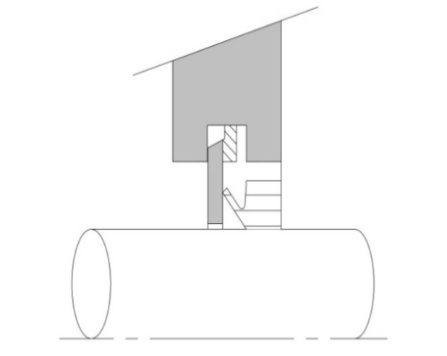
Mechanism: A simple contact seal. A dense felt strip, soaked in hot oil, is fitted into the housing groove and rests tightly against the rotating shaft to form a physical barrier.
Characteristics: Its wicking action absorbs oil from the reservoir to maintain a micro-lubrication layer.
Advantages: Highly cost-effective and efficient at blocking large particles. However, it causes minor shaft friction, cannot handle high speeds, and offers poor protection against liquid ingress or fine dust.
Split Rubber Seal
Mechanism: A flexible elastomeric radial lip seal (typically nitrile rubber, NBR), cut or split at one point along its circumference.
Characteristics: The split lets the seal be wrapped directly around the shaft during maintenance or replacement.
Advantages: Drastically reduced downtime, as machinery does not need to be dismantled to slide a new seal onto the shaft. It provides positive lip contact to trap grease, but wears over time from constant friction.
Labyrinth Seal
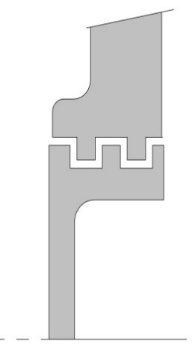
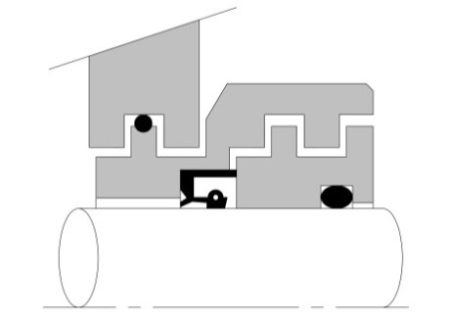
Mechanism: A non-contact arrangement of interlocking stationary and rotating rings that form a tight, winding, tortuous path.
Characteristics: It uses a tiny radial clearance gap. Contaminants lose momentum trying to navigate the complex, multi-directional channels, while grease packed in the path acts as a physical barrier.
Advantages: With zero physical contact, it generates no friction or heat, allowing virtually unlimited operating speeds and an extremely long operational life. It is less effective when the shaft is static or completely submerged.
V-Ring Seal
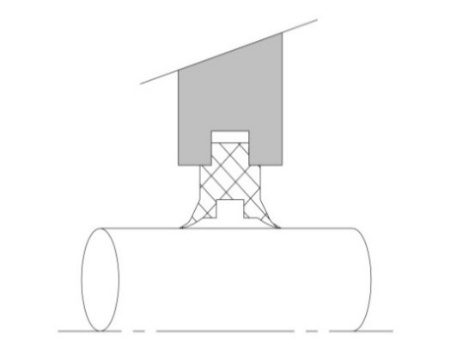
Mechanism: An elastic rubber ring with a flexible, tapered axial sealing lip. It is stretched and interference-fitted onto the shaft, so it rotates with the shaft.
Characteristics: The lip presses lightly against a stationary counterface, such as the housing wall. As speed increases, the ring acts as a centrifugal flinger, slinging water droplets and dust away from the entry point.
Advantages: Simple to install, with low friction. At very high speeds (typically above 12 m/s), centrifugal force can lift the lip off the counterface, so a radial locator ring is needed to keep it secure.
Taconite Seal
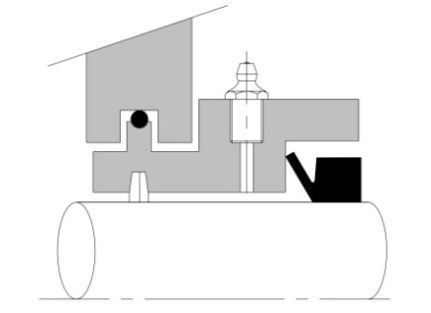
Mechanism: A heavy-duty, multi-stage cartridge combination seal engineered for the harshest industrial conditions. It integrates a tight labyrinth seal, an internal V-ring and a grease-purging system in one robust housing.
Characteristics: The rotating ring flings away heavy debris, the internal V-ring blocks fine particles, and an integrated grease nipple lets fresh grease be pumped in regularly to push contaminants back out.
Advantages: Unmatched protection for high-investment machinery against highly abrasive materials such as taconite iron ore, sand and cement.
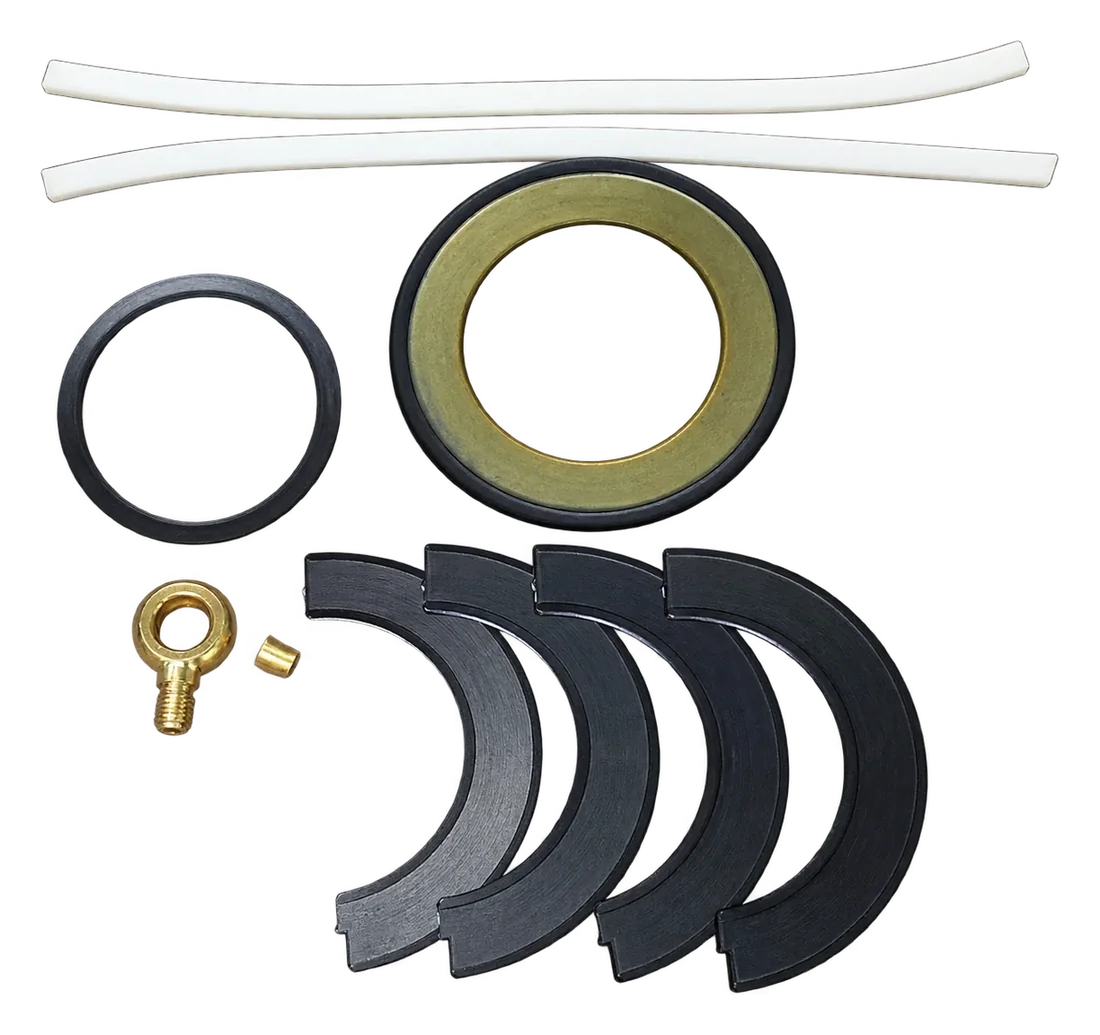
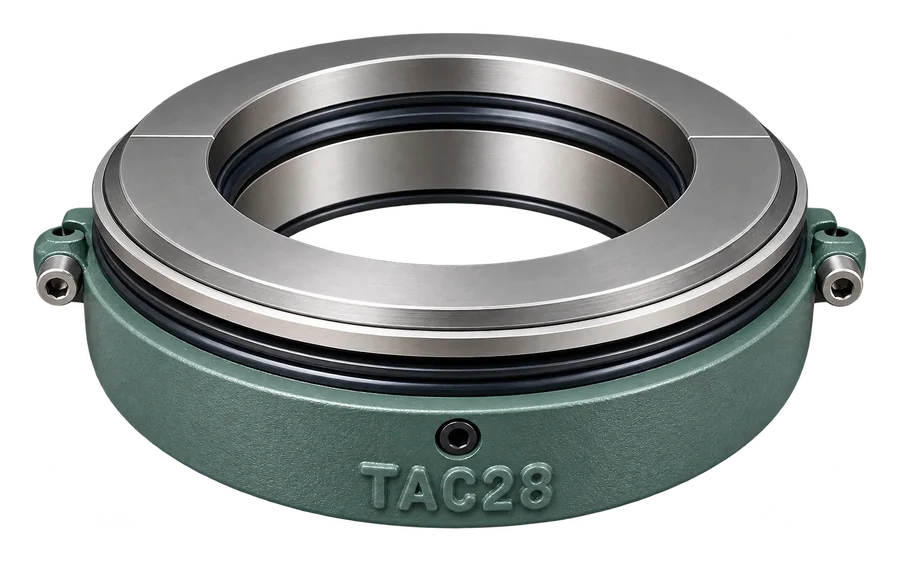
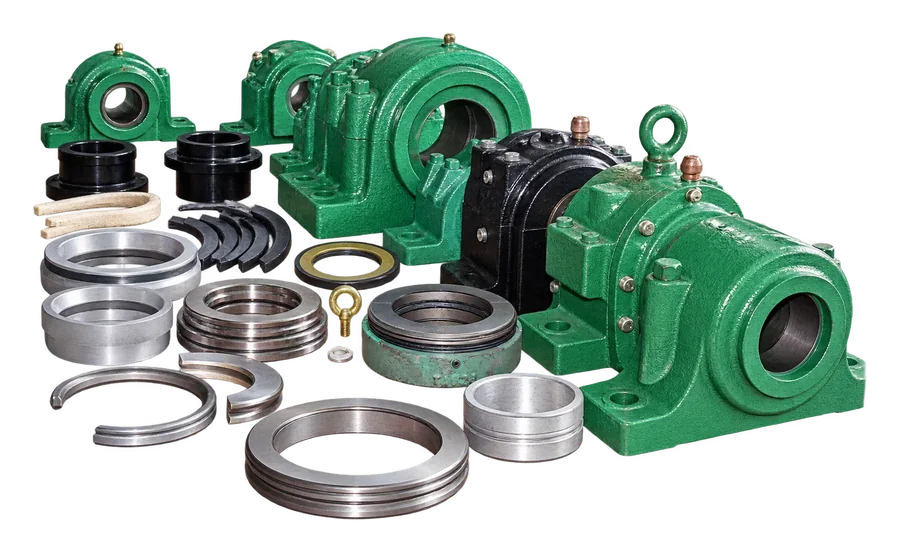
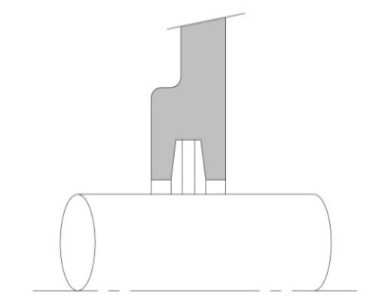
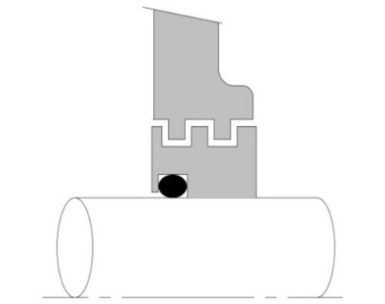
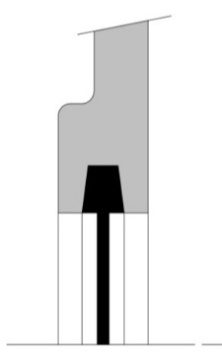
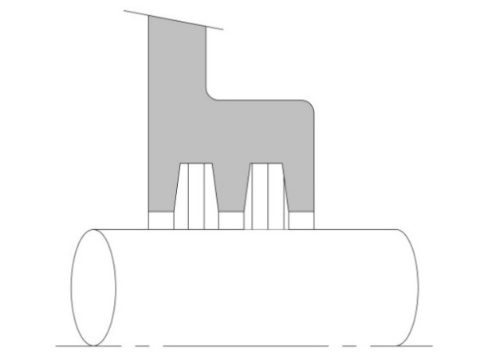
Bearing housing seals we supply: Felt Ring Seal (TC), V-Ring Seal (TA), Double Lip Rubber Seal (TG), Labyrinth Seal (TS) and Taconite Seal (TAU).
Sealing Arrangements for MBM Housings
Not sure which seal you need?
Tell us your shaft speed, temperature and environment. Our team will recommend the right sealing arrangement.